



 525 656

[(Fig._1)TD$FIG]
Screening with G8 and mini-COG
™
Score >14
No simplified
geriatric
evaluaƟon is
needed
Score ≤14
Simplified
geriatric
evaluaƟon is
mandatory
Fit
Reversible =
-
Abnormal ADL: 1 or 2
-Weight loss 5–10%
-ComorbidiƟes CISR-G
grades 1–2
Nonreversible =
- Abnormal ADL: ≥ 2
-Weight loss >10%
-ComorbidiƟes CISR-G
grades 3–4
Frail
Disabled/severe
comorbidiƟes
CGA then
geriatric
intervenƟon
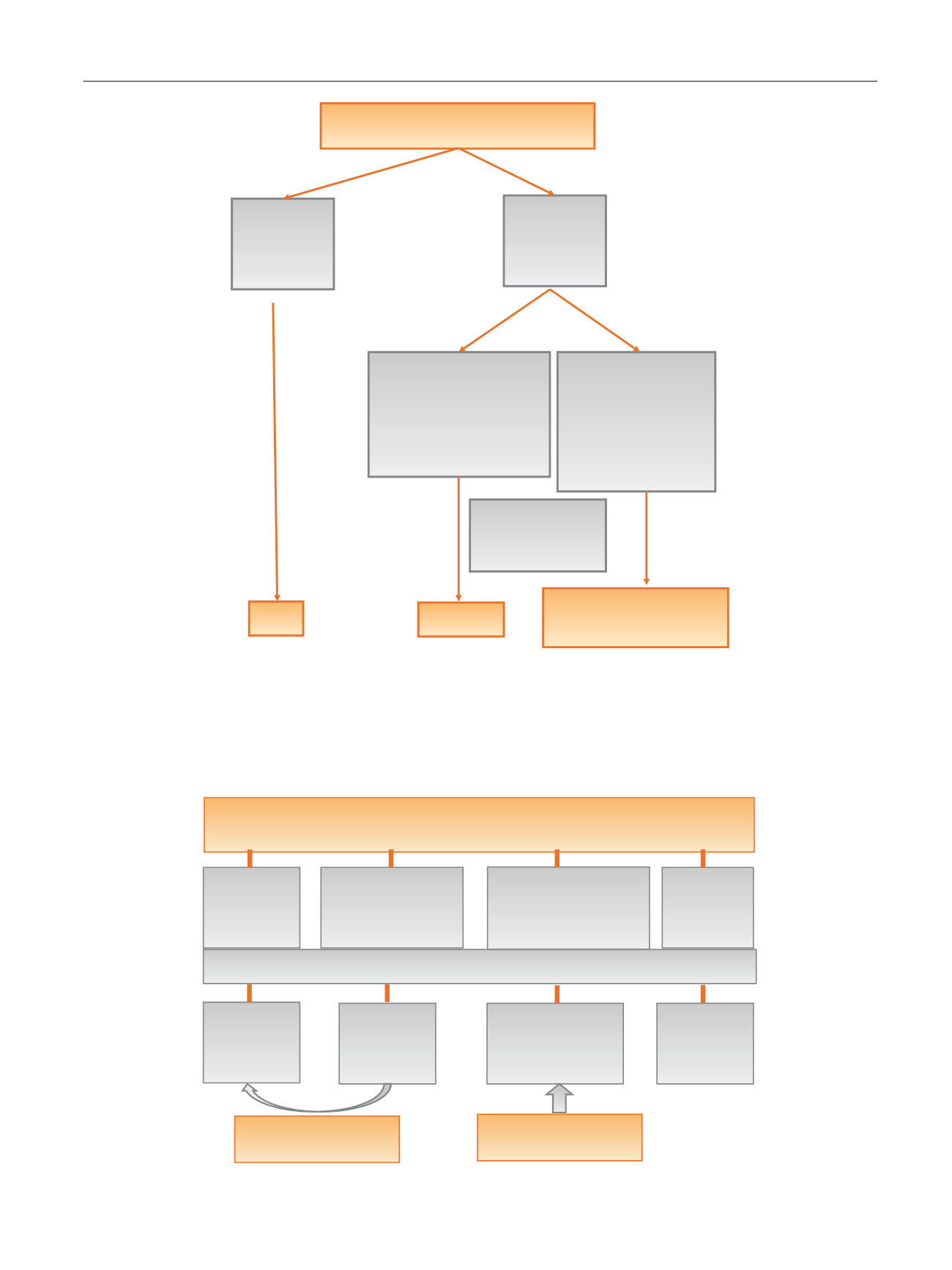
Fig. 1 – Decision tree to determine patient health status. mini-COG
[3_TD$DIFF]
TM
= mini-COG
[4_TD$DIFF]
TM
cognitive test; ADL = Activities of Daily Living; CIRS-G = Cumulative
Illness Rating Score-Geriatrics; CGA = Comprehensive Geriatric Assessment.
[(Fig._2)TD$FIG]
Geriatric screening with G8 tool and mini-COG
™
Then simplified geriatric evaluation if G8 ≤14
Group 1
(healthy)
Group 2
(frail, ie, reversible
problems)
Group 3
(disabled/severe
comorbidities, ie,
nonreversible problems)
Group 4
(terminal
illness)
Principles = early introduction of palliative care
Standard
treatment as
for younger
patients
Standard
treatment as
for younger
patients
Symptomatic
management
including adapted
specific treatments
Only
palliative
treatments
CGA then geriatric
intervention
CGA then geriatric
intervention
Fig. 2 – Decision-making based on health status assessment. mini-COG
[3_TD$DIFF]
TM
= mini-COG
[4_TD$DIFF]
TM
cognitive test; CGA = Comprehensive Geriatric Assessment.
E U R O P E A N U R O L O G Y 7 2 ( 2 0 1 7 ) 5 2 1 – 5 3 1
525