



 494 656

[(Fig._1)TD$FIG]
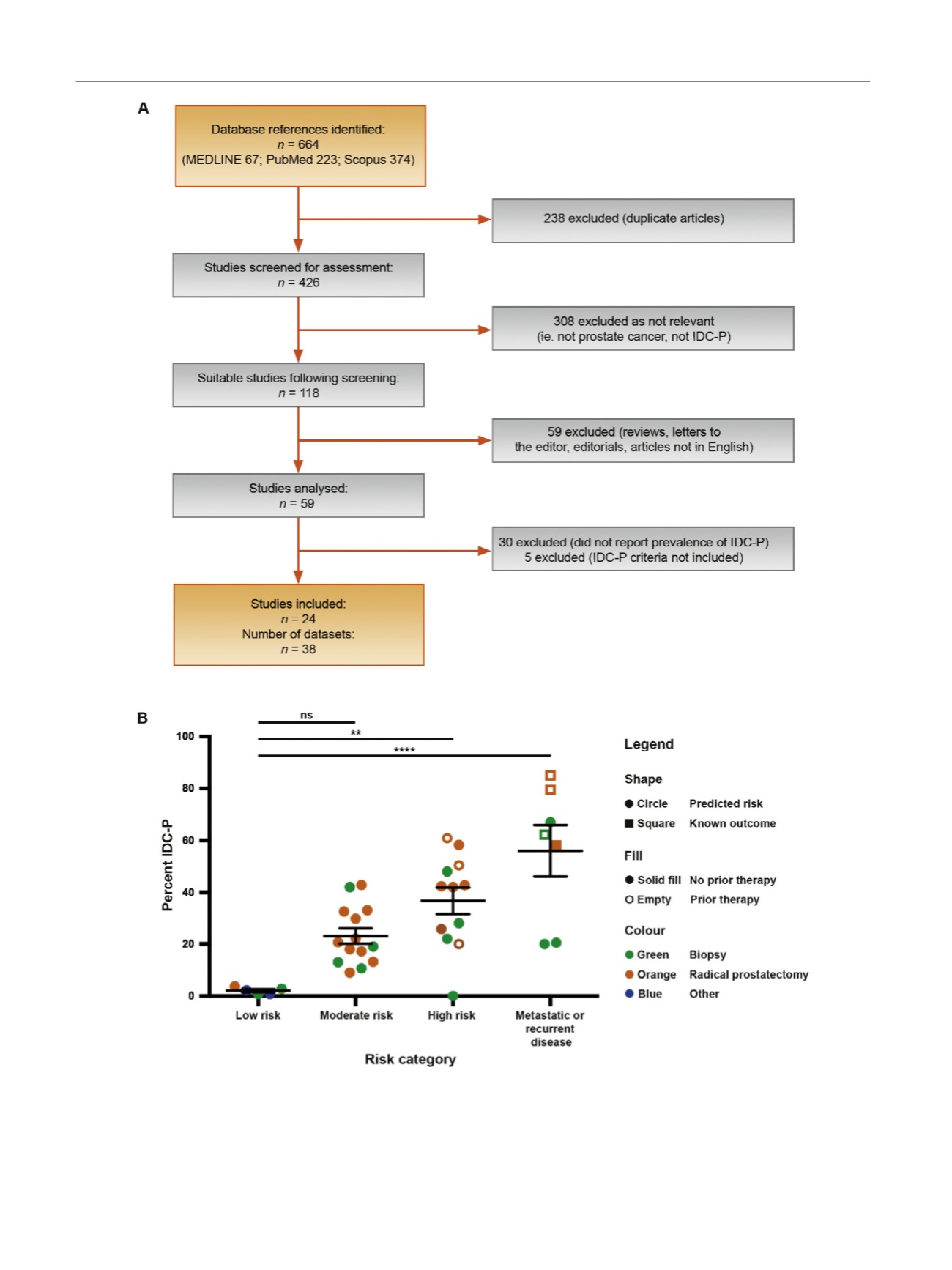
Fig. 1 – The prevalence of intraductal carcinoma of the prostate (IDC-P) is higher among patients with high-risk prostate cancer. (A) Summary of the
study selection process in accordance with PRISMA guidelines. (B) IDC-P was present in 20.9% of patient specimens across all datasets. The percentage
of patient specimens positive for IDC-P is shown for each data set across four patient categories: low-risk (
n
= 5), moderate-risk (
n
= 14), high-risk
(
n
= 12), and recurrent/metastatic disease (
n
= 7). Patient specimens were divided into categories on the basis of predicted risk (circles) or known poor
outcome (squares). A subset of patient cohorts had androgen deprivation therapy and/or chemotherapy before the diagnosis of IDC-P and are
represented by open symbols. The prevalence of IDC-P was reported in prostate biopsies (green), radical prostatectomies (
[2_TD$DIFF]
orange), and other samples,
including cystoprostatectomy and autopsy samples (blue). The prevalence of IDC-P was significantly higher in the high-risk and recurrent/metastatic
disease categories compared to the low-risk category (**
p
< 0.01 and ****
p
< 0.0001 respectively; one-way analysis of variance with post hoc Dunnett’s
test). Data are expressed as mean
W
standard error of the mean. ns = not significant.
E U R O P E A N U R O L O G Y 7 2 ( 2 0 1 7 ) 4 9 2 – 4 9 5
494